





Blog / Blogs

Understanding Car Oil Leaks: Causes and Solutions

Oil_change__3_

Your car is a complex machine, and while it may run smoothly most of the time, issues like oil leaks can arise and impact its performance. Oil leaks are a common headache for many drivers, but understanding why they happen and how to fix them can save you both time and money in the long run.

Why Engine Oil is Necessary

Before diving into the causes and solutions of oil leaks, it’s important to understand why engine oil is necessary for your car. Engine oil serves as a lubricant for all the moving parts inside the engine, reducing friction and preventing wear and tear. It also helps regulate the temperature of the engine by absorbing heat produced during combustion.

Why Do Oil Leaks Occur?

There are several probable causes of car oil leaks. Here are some of the most common reasons:

1. Age and Wear:

Over time, the various seals, gaskets, and components in your car’s engine can degrade. This degradation is a natural consequence of use and exposure to heat and pressure. As these parts wear down, they become more prone to developing leaks.

2. Improper Maintenance:

Neglecting routine maintenance, such as not changing the oil regularly or ignoring the condition of gaskets and seals, can exacerbate the risk of leaks. Old, dirty oil can lead to a breakdown of engine components and increase the likelihood of leaks.

3. Damaged Parts:

Accidents or impacts, as well as improper handling during repairs or maintenance, can cause damage to critical components like the oil pan, leading to leaks.

4. High Pressure and Heat:

Extreme conditions, such as high-pressure environments or excessive heat, can strain the engine components, potentially causing gaskets and seals to lose their integrity and leak oil.

Identifying an Oil Leak:

Detecting an oil leak early can save you from major headaches down the road. Here’s how you can identify one:

1. Visual Inspection:

Check the ground where your car is parked for oil spots. A puddle or a trail of oil is a clear sign of a leak.

2. Check Oil Levels:

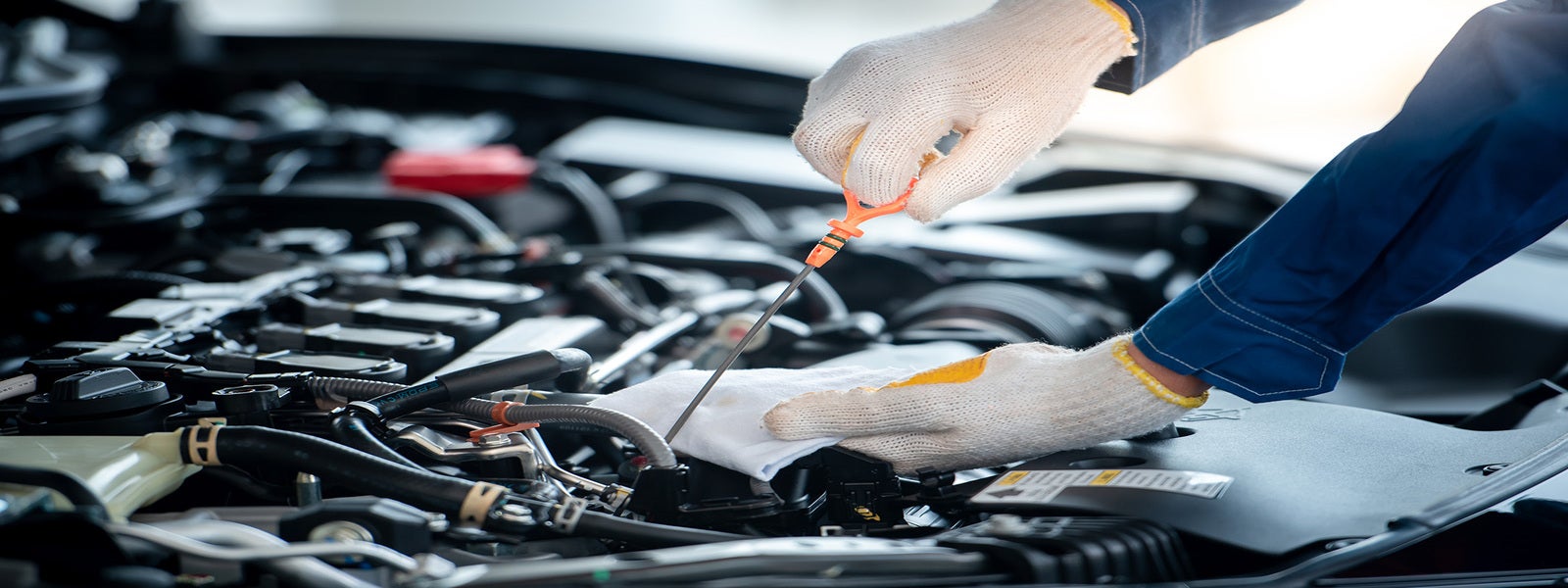
Regularly check your oil levels using the dipstick. A sudden drop in levels without any apparent reason might indicate a leak.

3. Smell and Smoke:

Burning oil emits a distinct smell and smoke. If you notice these while driving or after parking, it could indicate an oil leak.

How to Fix Oil Leaks:

The solution to an oil leak will depend on the cause and severity of the leak. In some cases, simply tightening a loose bolt or replacing a worn-out gasket can solve the issue. However, for more serious leaks, it is best to seek professional help.

1. Identify the Source:

Locating the exact source of the leak is crucial. Clean the engine and examine the areas where oil residue is present. Common areas include the oil pan, valve cover gasket, oil filter, and oil drain plug.

2. Replace Seals and Gaskets:

If the issue lies with worn-out seals or gaskets, replacing them can often solve the problem. However, this task might require technical expertise, so consider seeking professional help.

3. Repair or Replace Damaged Parts:

If there’s physical damage to the oil pan or other components, they might need repair or replacement. Depending on the severity, this could be a simple fix or a more complex and expensive repair.

4. Use Sealants or Additives:

Some minor leaks can be temporarily fixed with sealants or additives designed to swell and revitalize gaskets. However, these are not permanent solutions and should be seen as temporary fixes until proper repairs can be made.

5. Regular Maintenance:

Prevention is better than a cure. Regular oil changes and maintenance help keep the engine healthy and reduce the risk of leaks. Follow the manufacturer’s recommendations for oil change intervals and use high-quality oil.

DIY Vs. Professional Help:

Fixing an oil leak can be a DIY job for those with some mechanical knowledge. However, if you are unsure or uncomfortable with the task, it’s best to seek professional help. Attempting repairs without proper knowledge and experience could lead to further damage and costly repairs. A second opinion from an expert may help you understand the issue better and provide alternative solutions. Understanding the problem will help you avoid future oil leaks and maintain your car’s health.  You never know, your car could be having an underlying issue that’s causing the leak, and a professional mechanic can identify and address it. Don’t hesitate to seek help if needed. Your car will thank you for it in the long run!  So, next time you spot an oil leak, don’t panic. Take a deep breath and follow the steps discussed above to get your car back on track.

Contact Vann York Chevrolet Buick GMC to Service Your Car

Dealing with an oil leak can be a hassle, but understanding the causes and knowing how to address them can save you from major headaches and potentially expensive repairs. Regular maintenance and vigilance play a significant role in preventing and addressing oil leaks in your car. Remember, a small leak can turn into a significant problem if ignored. If you’re unsure about fixing the issue yourself, it’s always wise to consult a professional mechanic.

Keeping your car’s engine in good shape not only ensures a smooth ride but also extends the life of your vehicle. Reach out to Vann York Chevrolet Buick GMC for reliable car servicing and repairs. Our certified technicians will thoroughly inspect your car and provide the necessary solutions to keep it running smoothly. Don’t wait until it’s too late, schedule an appointment with us today!
Posted in:

Related Posts

02 (5)

Experience Heavy-Duty Performance with the GMC Sierra 2500HD

Few trucks can live up to the term “heavy-duty” when it comes to their performance both on and off the job site, but the GMC Sierra 2500HD is one of them. With the perfect combination of power, capability, and comfort, the Sierra 2500HD can back up its reputation as one of America’s favorite heavy-duty full-size trucks. Experience Heavy-Duty Performance with the GMC Sierra 2500HD The Power to Complete Any Task The 2500HD’s powerful engine and transmission are at the heart of its lofty performance profile, as the engine options give drivers everything they need on the job site. The standard 2500HD has a 6.6-liter V8 gas engine that generates an impressive 401 horsepower and 464 foot-pounds of hard-working torque. When matched with the Allison 10-speed automatic transmission and a 3.73 rear axle ratio, the 2500HD is up to any task on or off the job site. For those who prefer the steady power and torque provided by a diesel engine, there is an optional 6.6-liter Duramax Turbo-Diesel V8 that generates 470 horsepower and 975 foot-pounds of torque. The diesel version has other related features, such as a 3.42 rear axle ratio, an exhaust brake, an engine block heater, and an engine after-run feature for cooling performance. Plenty of Payload and Trailer Capability The 2500HD converts that raw power produced by either engine into hard-working performance. The 2500HD has a Gross Vehicle Weight Rating (GVWR) of 10,150 pounds when properly equipped. The GVWR is the total combined weight of the vehicle, passengers, cargo, and equipment. The payload bed is spacious, with a volume of 69.50 cubic feet, and it can carry up to 3,637 pounds of cargo. The Sierra 2500HD is also adept at towing, whether hauling a trailer full of materials to a work site or towing your boat to the nearest launch. Depending on its optional equipment, the 2500HD can easily tow up to 22,500 pounds thanks to amenities like a standard integrated trailer brake controller, a trailering package, and hitch guidance. There’s an optional in-vehicle trailering app that boosts the 2500HD’s towing capabilities. Modern Safety Features to Protect Drivers and Passengers The 2500HD has standard features that make it safer to get to the job site, such as its integrated SierraHD Pro Safety package. That package includes a Trailer Side Blind Zone Alert, a Rear Cross Traffic Alert, Front and Rear Park Assist, a Bed View Camera, HD Surround Vision, and Trailer Camera Provisions. Other safety features found on the 2500HD include a full array of front and side-curtain airbags, a Tire Pressure Monitoring System with Fill Alert, Automatic Emergency Braking, a Following Distance Indicator, Forward Collision Alert, Front Pedestrian Braking, HD Rear Vision Camera, and a Lane Departure Warning system. If you’re seeking a hard-working, heavy-duty truck, look no further than the 2500HD’s for power, performance, and safety. You can explore the Sierra 2500HD by test driving it yourself. Contact Vann York Chevrolet Buick GMC in High Point, NC, to schedule yours today.

01 (2)

Introducing the 2024 GMC Sierra 2500 HD: Power and Precision Combined

Is the Sierra 2500 the best heavy-duty pickup on the market? Take a deep dive into the 2024 GMC Sierra 2500 HD and find out why it's one of the most popular trucks at our dealership! more Introducing the 2024 GMC Sierra 2500 HD: Power and Precision Combined Engine The Sierra 2500 comes with a 6.6L V8 gas engine that's paired with an Allison 10-speed automatic transmission. This combination delivers a whopping 401 HP at 5200 rpm and 464 lb.-ft. of torque at 4000 rpm. For increased towing prowess, there's an available 6.6L Duramax Turbo-Diesel V8 engine that provides a maximum towing capacity of 22,070 pounds. You can reach an impressive 470 HP at 2800 rpm and 975 lb.-ft. of torque at 1600 rpm with this combo. Exterior The GMC Sierra 2500 is a full-size pickup truck with a sturdy structure and convenient exterior features. The PRO base trim comes with 17-inch steel painted silver wheels, all-season blackwall tires, cab-mounted cargo area lamps, and animated LED headlamps. The chrome bumpers add a striking touch to the aesthetic. The CornerStep rear bumper gives you more stability when accessing cargo in your truck bed. Interior The GMC Sierra 2500 has a 40/20/40 split front bench with built-in storage under the seats. The back seat is a 60/40 split bench that can be lifted up on either side to expand your cargo space. The 2500's cabin has a 6-speaker audio system, 4-way manual front seating, rear air vents, USB charging ports, and a 3.5-inch driver information center that displays important vehicle insights. Entertainment Inside the Sierra 2500 HD, there's a 7-inch GMC Infotainment system with various entertainment features and helpful tools. With Apple CarPlay and Android Auto, you can sync your smartphone to the truck and access most of its features. Bluetooth audio streaming allows you to use these features hands-free while driving. The Sierra 2500 is also Wi-Fi hotspot capable, offering internet access on up to ten devices. Within fifty feet of your truck, you can stream TV shows and movies on a smartphone, laptop, or tablet. Safety Trucks in the Sierra lineup have their own exclusive safety package, Sierra HD Pro Safety. The Sierra HD Pro Safety package includes Forward Collision Alert, Following Distance Indicator, and Buckle to Drive. It also comes with Front Pedestrian Braking, IntelliBeam automatic high beams, Lane Departure Warning, and Automatic Emergency Braking. Additional safety features in the Sierra 2500 include an HD rear vision camera, rear seat belt indicator, Teen Driver, StabiliTrak electronic stability control, and six airbags situated throughout the cabin. Explore everything the 2024 GMC Sierra 2500 HD has to offer by visiting our dealer! Stop by Vann York Chevrolet Buick GMC in High Point, NC, to take the Sierra 2500 for a test drive.

service-tech-oil-change

Your Chevy Dealer's Guide to Professional Oil Changes

We all know that we need oil changes for our cars, but why exactly? What does the oil do, why does it need to be changed, how often should that happen, and what kind of oil do you need to be using? Your Chevy dealer explains. more Your Chevy Dealer's Guide to the Oil Change What and Why What does oil do in your engine exactly, and why does it then need to be changed? The first thing it does is lubricate the engine's moving parts, reducing friction and preventing wear and tear. Without proper lubrication, engine components can overheat and seize up, and no one wants that. A seized engine usually can't be fixed. Next, your engine oil helps dissipate heat generated by the engine, preventing it from overheating. Over time, oil breaks down and loses its ability to absorb heat, making regular changes necessary to maintain engine temperatures that are good for your vehicle. Another thing that oil does is to collect dirt, debris, and contaminants as it circulates through the engine. Regular changes ensure these harmful particles are removed, and that means you won't get a sludgy buildup. Finally, clean oil simply reduces friction, which allows the engine to operate at peak efficiently, leading to better fuel economy. Regular changes can help you save money at the pump by ensuring your engine runs at peak performance. Getting Your Oil Changed at the Chevy Dealer While DIY changes might seem cost-effective, there are several advantages to having your oil changed professionally by your Chevy dealer: Expertise and Experience Our Chevy technicians are trained and certified to work on your specific vehicle model. They know the correct type and amount of oil to be used (and oil is finicky: just a bit too much or too little is bad for your engine), just how tight to make that drain plug, and what to do with all the old oil. With us, the job is done quickly and right the first time. Comprehensive Inspection During a professional oil swap-out, our technicians perform a thorough inspection of your vehicle. They check for potential issues like leaks, worn-out parts, and other maintenance needs, helping you address problems before they become serious. Proper Disposal Used oil is hazardous waste and must be disposed of properly to avoid environmental contamination. We follow strict guidelines for the safe disposal and recycling of used oil. Understanding Oil Types and Recommendations Choosing the right oil for your Chevy is important if you want to get optimal performance. Here's a breakdown of the main types of oil and what we might recommend: Conventional Oil Conventional oil is the standard choice for many older vehicles, and it does provide reliable performance and protection under normal driving conditions. It's suitable for older Chevy models and those with lower mileage. If you go conventional, each change is a bit cheaper, but you have to get the oil swapped out more often. Synthetic Oil Synthetic oil offers superior protection and performance, especially in extreme temperatures and high-stress conditions. It's designed to provide better lubrication, reduce engine wear, and improve fuel efficiency. Many modern Chevy models are made to work with synthetic oil. Synthetic oil is more expensive, yes, but it also lasts a lot longer than conventional. It's often the best choice unless you have an older model not made to work with it. Synthetic Blend Oil Synthetic blend oil combines conventional and synthetic oils, offering a balance of performance and cost-effectiveness. It provides better protection than conventional oil and is suitable for a range of driving conditions. High-Mileage Oil High-mileage oil is specifically formulated for vehicles with over 75,000 miles on the odometer and contain additives that help reduce oil consumption, minimize leaks, and improve engine longevity. If you've got an older Chevy model with a lot of miles on the clock, this might be the right choice for you. How Often Should You Change Your Oil? This is going to depend on several factors, including your driving habits, vehicle model, and the type of oil you last used. First, always follow the intervals recommended in your Chevy owner's manual. These guidelines are based on extensive testing and are designed to keep your engine in optimal condition. If you frequently drive in severe conditions, such as extreme temperatures, in heavy stop-and-go traffic, in dusty environments, or towing heavy loads, you may need to change your oil more often. Talk with us about the best interval for your specific driving conditions. And, as mentioned earlier, synthetic oil typically lasts longer than conventional oil and may extend the time between changes. Overall, if you're using conventional oil and have an older model Chevy you use hard, you might be swapping out oil as often as every 3,000 miles. If you have a newer model and use synthetic oil, you could go up to 10,000 miles before a change. Signs You Need Fresh Oil Check Engine or Oil Light If your check engine or oil light comes on, this one's obvious. Schedule service with us as soon as possible. Noisy Engine If your engine becomes noisier than usual, or you hear knocking or ticking sounds, it may be due to old or low oil. Fresh oil can restore proper lubrication and reduce noise. Dark or Dirty Oil Regularly check your oil's color and consistency. If it appears dark, dirty, or gritty, it's time for a change. Fresh oil should be a light amber color and free of grit. ​Try to check on your ​oil at least once every two weeks if you drive frequently. Decreased Performance If you notice a decline in your vehicle's performance, such as reduced fuel efficiency or sluggish acceleration, it could be due to old or degraded oil. Changing out the oil could fix things and also save you money at the pump. Follow your manufacturer's recommendations and stay attentive to the signs that indicate it's time to get your oil changed out. For the best results, always come see us at Vann York Chevrolet Buick GMC in High Point, NC for advice and maintenance. We'll make sure your Chevy always performs like you expect.